
Casino Table Game Bad Beat Jackpot Mechanics and Poker Bad Beat Rooms
A bad beat jackpot is not a promotional gimmick — it is a precision-engineered variance transfer system that reroutes a slice of every raked pot into a segregated liability pool, and the house edge math behind it is brutal if you do not understand the trigger conditions. Most players never read the qualifier sheet, and that ignorance is exactly where the operator's margin lives. 😤
In poker bad beat rooms, the jackpot only fires when a premium losing hand is beaten by an even stronger hand at showdown. The qualifying threshold is the entire game. A room that requires quad eights or better to lose will see the pool grow for months, while a room that drops the qualifier to aces full of tens will pay out constantly but bleed the meter dry. This is not generosity — it is actuarial tuning, and the house knows precisely which configuration maximizes drop revenue per hour.
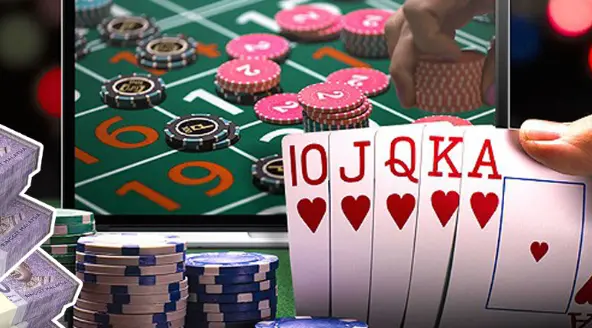
The Hidden Drop Tax on Every Raked Pot
Here is the mechanism nobody explains at the table: a fixed dollar or percentage amount is skimmed from every qualifying pot — win, lose, or chop — and deposited into the bad beat fund before the dealer ever pushes the chips. That means the casino table game bad beat jackpot is funded entirely by the players, not the house. The operator contributes nothing but the ledger and the signage. Every hour you sit, you are paying a silent insurance premium against a catastrophe that may never arrive. 🎯
The distribution split is equally mechanical. Standard structures pay the loser of the hand the largest share — often fifty percent — the winner gets twenty-five percent, and the remaining twenty-five percent is divided among the rest of the table. Some rooms withhold a administrative fee off the top before the split, and a few quietly cap the table share. Read the fine print on the placard, because the placard is the contract.

Qualifier Manipulation and Meter Velocity
Operators adjust qualifiers the way a pit boss adjusts table limits — to control velocity. When a meter climbs past a psychological threshold,floor managers know traffic spikes, so they may tighten the qualifier to slow payouts and let the number grow even larger for marketing purposes. Conversely, a stale meter gets loosened to trigger a celebratory payout that generates free press. This is pure behavioral engineering, and the sharp player tracks meter growth rate against drop rate to estimate the true expected value of sitting in that game.
Poker bad beat rooms also differ on eligibility rules that quietly kill your equity. Some require both hole cards to play, some require the hand to go to showdown with at least four players dealt in, and some void the jackpot entirely if the pot fails to reach a minimum rake threshold. Each clause is a filter designed to exclude claims. The house does not need to cheat — it only needs to write the rules so that most near-misses do not qualify.
Why the Math Rarely Favors the Grinder
Run the numbers cold: the probability of a qualifying bad beat in a typical hold'em configuration sits in the range of one in one hundred sixty thousand to one in two hundred thousand dealt hands, depending entirely on the qualifier. Your share of the drop, compounded over thousands of hours, almost always exceeds your expected slice of the pool. The jackpot is a lottery ticket stapled to your rake — thrilling, occasionally life-changing, and mathematically a net drain for anyone grinding volume. 💰
The only edge exists in meter arbitrage: joining a room where the pool is unusually large relative to the qualifier difficulty, and where your share of the table split is not diluted by a packed nine-handed lineup. Track the drop percentage, the qualifier rank, and the current meter value before you ever post a blind — because the operator already has, and their spreadsheet does not have a seat for sentiment.